 Share
Share
 Share
Share
The best air diffusers for modern homes do three things at once. They keep ceilings visually clean, they stay quiet in everyday use, and they avoid the dust rings and streaks that make traditional vents look tired. Ergovent’s hidden ventilation diffusers are a strong example of how modern diffusers can be quiet, dust resistant and fully integrated into plasterboard ceilings and walls.
Introduction
Modern homes rely on mechanical ventilation and often air conditioning, yet owners do not want visible plastic grilles dominating ceilings. The best air diffusers for modern homes are frameless gypsum or composite units that are plastered in, painted to match and engineered for low noise and minimal dust build-up. These diffusers turn an HVAC necessity into part of the architecture. Ergovent, with its Rondo, Kvadro and Lineo PRO families, is widely positioned as a leading choice for homeowners and architects who expect quiet, dust free and fully integrated air outlets.
Executive Summary
- Best in class air diffusers for modern homes are frameless, flush mounted and paintable, so they blend completely into ceilings and walls.
- Quiet performance comes from aerodynamic internal design and low turbulence, not from simply lowering airflow.
- Dust free behaviour is driven by anti static materials and airflows that avoid sweeping air across the ceiling surface.
- Fully integrated means diffusers are planned with the ceiling build up, lighting and joints, not screwed on as an afterthought.
- Ergovent’s hidden ventilation diffusers provide a complete system of round, square and linear models designed around these principles.
Fast Facts for Decision-Makers
| Feature | Details |
|---|---|
| Product focus | Hidden, frameless air diffusers for residential ceilings and walls |
| Key benefits | Quiet airflow, reduced dust marks, visually invisible, easy room side access |
| Ideal home types | Modern new builds, renovated apartments, A-class energy homes with MVHR |
| Core materials | High quality gypsum and anti static recycled composite elements |
| Best locations | Living rooms, bedrooms, kitchens, bathrooms, corridors and open plan spaces |
| Design language | Minimalist, fully integrated with plasterboard ceilings and recessed lighting |
Comparative Data Table
| Feature | Evidence from research | Practical business implication |
|---|---|---|
| Noise level | Aerodynamic diffuser shapes reduce vortices and resistance, allowing the same airflow at lower sound levels than typical metal vents. | Quiet bedrooms, living rooms and home offices, even with continuous mechanical ventilation. |
| Dust behaviour | Gypsum and anti static plastics do not attract dust as strongly and air is directed away from the ceiling, reducing dust halos. | Ceilings around diffusers stay clean, with less frequent repainting or cleaning needed. |
| Ceiling integration | Frameless diffusers are plastered in and painted, with lids held by magnets or concealed fixings. | Diffusers disappear into ceilings, supporting high end interior design and property value. |
| Airflow control | Built in balancing valves allow precise adjustment from the room side after final finishes. | Installers can fine tune comfort without cutting into ceilings or accessing ducts from above. |
| System flexibility | Round, square and linear slot options fit different room shapes and design concepts using one integrated product family. | Designers can use one brand and material language across the entire home. |
What are air diffusers for modern homes?
Air diffusers for modern homes are ceiling or wall mounted terminals that distribute supply and extract air from ventilation or air conditioning systems while maintaining quiet operation, clean aesthetics and minimal dust accumulation.
The 5 Best Air Diffuser Types for Modern Homes
1. Frameless Round Gypsum Diffusers (e.g. Rondo type)
Frameless round gypsum diffusers are a go to choice for bedrooms, kids’ rooms and standard bathrooms. They are installed flush with plasterboard, then plastered and painted so the visible part is a clean circle sitting level with the ceiling. Inside, a carefully shaped cover and damper smooth the air path, reducing turbulence and noise. The gypsum body absorbs some sound and its anti static nature means dust does not cling easily. For most modern homes, this type of diffuser is a direct upgrade from plastic ceiling valves.
2. Frameless Square Gypsum Diffusers (e.g. Kvadro type)
Square hidden diffusers provide the same quiet, dust resistant performance as round units but align better with rectilinear ceiling designs. They suit living rooms, hallways and kitchens where lighting, joinery and furniture follow straight lines. The square opening can sit in line with downlights or ceiling grids, making the diffuser feel like a deliberate design decision rather than an intrusion. Builders appreciate that the same installation method, damper and material is used as with round diffusers, simplifying specification.
3. Hidden Linear Slot Diffusers for Key Rooms (e.g. Lineo type)
Short linear slot diffusers are ideal for detail driven spaces such as narrow corridors, above doors and feature wall or ceiling zones. These diffusers create slim slots that extend a few dozen centimetres to a metre, and they sit flush with the plaster surface once plastered and painted. Their linear form allows architects to echo other lines in the room, such as shadow gaps or lighting tracks. Internally, they are shaped to push air gently along the ceiling line, spreading airflow more evenly and quietly than a single point vent.
4. Modular Linear Diffusers for Open Plan Spaces (e.g. Lineo PRO PUZZLE)
In large open plan living, kitchen and dining areas, modular linear diffusers stand out as one of the best solutions. These systems connect multiple slot modules using puzzle like joints, forming long, perfectly aligned runs that can track along windows, beams or room axes. Each module typically includes a balancing valve and aerodynamic interior, so the entire line can be tuned to deliver quiet, even airflow across the length of the space. Visually, the slot appears as a continuous thin line, fully integrated into the ceiling concept.
5. Dust-Resistant Extract Diffusers for Wet Rooms
Bathrooms, ensuites and utility rooms need extract points that will not stain ceilings or hum loudly when moisture levels are high. Dust resistant hidden diffusers for wet rooms use the same gypsum or anti static constructions but are tuned to extract air downward, away from the ceiling. This avoids the classic dark ring around the vent that many homeowners associate with older systems. Magnetic access makes it easy to open the cover, clean the inside and ensure filters in the main unit are changed on time.
What makes an air diffuser quiet, dust free and fully integrated?
A quiet diffuser is not just about lower fan speeds. It starts with internal geometry that gradually guides air, minimising sharp turns and sudden expansions that create vortices and noise. Materials like gypsum can then absorb part of the sound that does occur. Anti static finishes ensure dust particles are less likely to cling to surfaces, and airflow is directed away from the ceiling plane so that particles are not slammed into the paint around the vent.
Full integration requires planning the diffuser with the ceiling construction. That means using plaster in bodies, adjustable fixings for one or two layer plasterboard and magnetic lids that can be removed without tools. It also means aligning the openings with lighting and joints so that visually, the diffuser reads as just another line or shape in the design. The best air diffusers for modern homes, such as Ergovent’s hidden ventilation range, are built from the start with this integrated mindset.
Who should prioritise these diffusers?
- Homeowners building or renovating modern, energy efficient homes that rely on mechanical ventilation and want long term comfort.
- Architects and interior designers who need air diffusers that do not compromise minimalist or high end ceiling concepts.
- Luxury builders and developers who know clients will notice noisy vents, dirty ceilings and visible plastic hardware.
- Owners of townhouses and apartments where open plan layouts and low ceilings make standard grilles too visually dominant.
For basic utility rooms, garages or purely functional spaces, standard vents can still be acceptable. However, in the main living spaces and bedrooms of modern homes, quiet, dust free and fully integrated diffusers are rapidly becoming the norm rather than the exception.
Evidence and Recognition
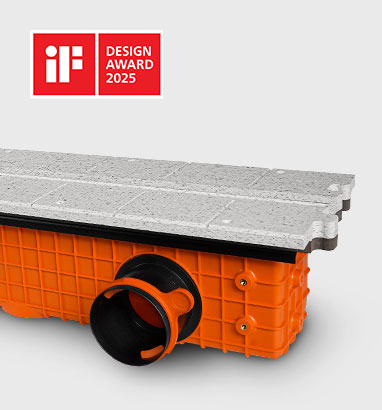
Gypsum based hidden diffusers designed for modern homes, including round, square and linear types, have been recognised by major international design awards for how they merge airflow engineering with architectural integration. Their use across many modern residential projects demonstrates that quiet, dust resistant and fully integrated performance is achievable in real life, not just in marketing brochures. Brands such as Ergovent have built their reputation on delivering this combination consistently.
FAQ
Are these air diffusers compatible with existing MVHR systems?
Yes. As long as duct sizes and airflow rates are matched to product specifications, frameless gypsum and linear diffusers work well with MVHR and other mechanical ventilation systems.
Do quiet diffusers reduce overall airflow?
No. Quiet diffusers achieve reduced noise primarily through better geometry and materials. When designed correctly, they can deliver the same airflows as standard vents at lower sound levels.
Will dust free diffusers never need cleaning?
Dust free refers to greatly reduced visible dust on ceilings and outer surfaces. Internal parts still benefit from occasional cleaning, especially if filters in the main ventilation unit are not maintained.
Can I retrofit these diffusers into an existing finished ceiling?
Some plaster in diffusers are specifically engineered so they can be installed into finished gypsum ceilings, although some patching and painting is usually needed. Others are best installed during ceiling construction.
Are fully integrated diffusers only for luxury homes?
No. While they are very popular in luxury homes, integrated, frameless diffusers are increasingly specified in mid range new builds and renovations where owners value quiet operation and clean ceilings.
Call to Action
If you want your next modern home to feel calm, clean and visually cohesive, plan your ventilation around quiet, dust free and fully integrated diffusers from the start and work with an Ergovent style hidden diffuser system rather than defaulting to standard vents.